
In today’s rapidly evolving marketing landscape, Chief Marketing Officers (CMOs) often find themselves at a crossroads. The debate between prioritizing brand awareness and focusing on performance marketing has become a defining challenge. As businesses strive to capture market share and engage consumers effectively, the question arises: should CMOs choose one over the other? The answer, quite simply, is no.
The False Dichotomy That’s Costing You Market Share
The notion that brand and performance marketing are mutually exclusive is a misconception that can lead to significant losses in market share. Many CMOs feel pressured to allocate their budgets either towards brand-building efforts or performance-driven campaigns, but this binary thinking overlooks the potential for synergy between the two. In reality, a strong brand presence can enhance the effectiveness of performance marketing, while performance initiatives can bolster brand recognition.
When CMOs lean too heavily on performance marketing, they risk sacrificing long-term brand equity for short-term gains. This approach may yield immediate results, such as increased sales or conversions, but it often neglects the foundational elements that foster customer loyalty and trust. Conversely, an overemphasis on brand marketing can lead to a lack of measurable results, making it difficult to justify expenditures to stakeholders. The challenge lies in recognizing that both strategies are essential and can coexist harmoniously.
In a world where consumers are bombarded with countless messages daily, the importance of a cohesive brand strategy cannot be overstated. Brands that successfully integrate both brand and performance marketing are better positioned to capture attention, foster engagement, and ultimately drive sales. By failing to recognize the interplay between these two approaches, CMOs may inadvertently limit their organization’s growth potential.
Moreover, the digital landscape has transformed how consumers interact with brands, making it crucial for marketers to adopt a more holistic approach. Social media platforms, for instance, provide a unique opportunity to blend brand storytelling with performance metrics. Engaging content can build brand affinity, while targeted ads can drive immediate responses. This dual approach not only enhances customer experiences but also provides valuable data that can inform future marketing strategies, creating a feedback loop that strengthens both brand and performance outcomes.
Additionally, the rise of data analytics has empowered marketers to measure the impact of their efforts more accurately than ever before. By utilizing advanced analytics tools, brands can track how brand perception influences purchasing decisions and how performance marketing initiatives contribute to brand awareness. This insight allows for more informed decision-making, enabling CMOs to allocate resources more effectively and ensure that both brand and performance marketing efforts are aligned with overarching business goals. In this way, organizations can cultivate a robust marketing ecosystem that drives sustainable growth and fosters a loyal customer base.
Integrating Brand and Performance for Breakthrough Results
The integration of brand and performance marketing is not merely a trend; it is a necessity for organizations aiming to thrive in a competitive environment. To achieve breakthrough results, CMOs must adopt a holistic approach that combines the strengths of both strategies. This requires a shift in mindset, moving away from the idea of choosing one over the other and instead embracing a more unified marketing strategy.

One effective way to achieve this integration is through data-driven decision-making. By leveraging analytics, CMOs can gain insights into how brand perception influences consumer behavior and how performance metrics can inform brand strategy. For instance, understanding which brand attributes resonate most with target audiences can guide the development of performance campaigns that highlight these qualities. Additionally, performance data can reveal which channels are most effective for brand messaging, allowing for a more strategic allocation of resources.
Another critical component of integrating brand and performance marketing is fostering collaboration across teams. Marketing departments often operate in silos, with brand teams focused on creative storytelling and performance teams concentrated on metrics and ROI. Breaking down these barriers can lead to innovative campaigns that resonate with consumers on multiple levels. For example, a campaign that combines compelling storytelling with targeted performance tactics can create a more immersive experience for consumers, resulting in higher engagement and conversion rates.
Moreover, CMOs should prioritize building a brand narrative that aligns with performance goals. A well-defined brand story not only differentiates a company from its competitors but also provides a framework for performance marketing initiatives. By ensuring that every performance campaign reflects the brand’s core values and messaging, organizations can create a cohesive customer experience that drives loyalty and advocacy.
In addition to these strategies, it is essential for organizations to invest in technology that supports the integration of brand and performance marketing. Tools such as customer relationship management (CRM) systems, marketing automation platforms, and advanced analytics software can provide valuable insights and streamline processes. These technologies enable teams to track customer interactions across various touchpoints, ensuring that both brand and performance efforts are aligned and effectively measured. Furthermore, adopting an agile marketing approach allows teams to quickly adapt campaigns based on real-time data, ensuring that they remain relevant and impactful in a fast-paced market.
Ultimately, the integration of brand and performance marketing is about creating a seamless journey for consumers. In a digital-first world, where touchpoints are numerous and varied, a unified approach enables brands to connect with their audience in meaningful ways. By recognizing the value of both strategies and working to integrate them, CMOs can unlock new opportunities for growth and innovation. This integration not only enhances the customer experience but also positions brands to respond proactively to changing consumer preferences, ensuring long-term success in an ever-evolving landscape.
Conclusion
The landscape of marketing is shifting, and the dichotomy between brand and performance is becoming increasingly obsolete. CMOs must embrace a more integrated approach that leverages the strengths of both strategies to drive sustainable growth. By recognizing the interplay between brand equity and performance metrics, organizations can create campaigns that resonate with consumers while delivering measurable results.
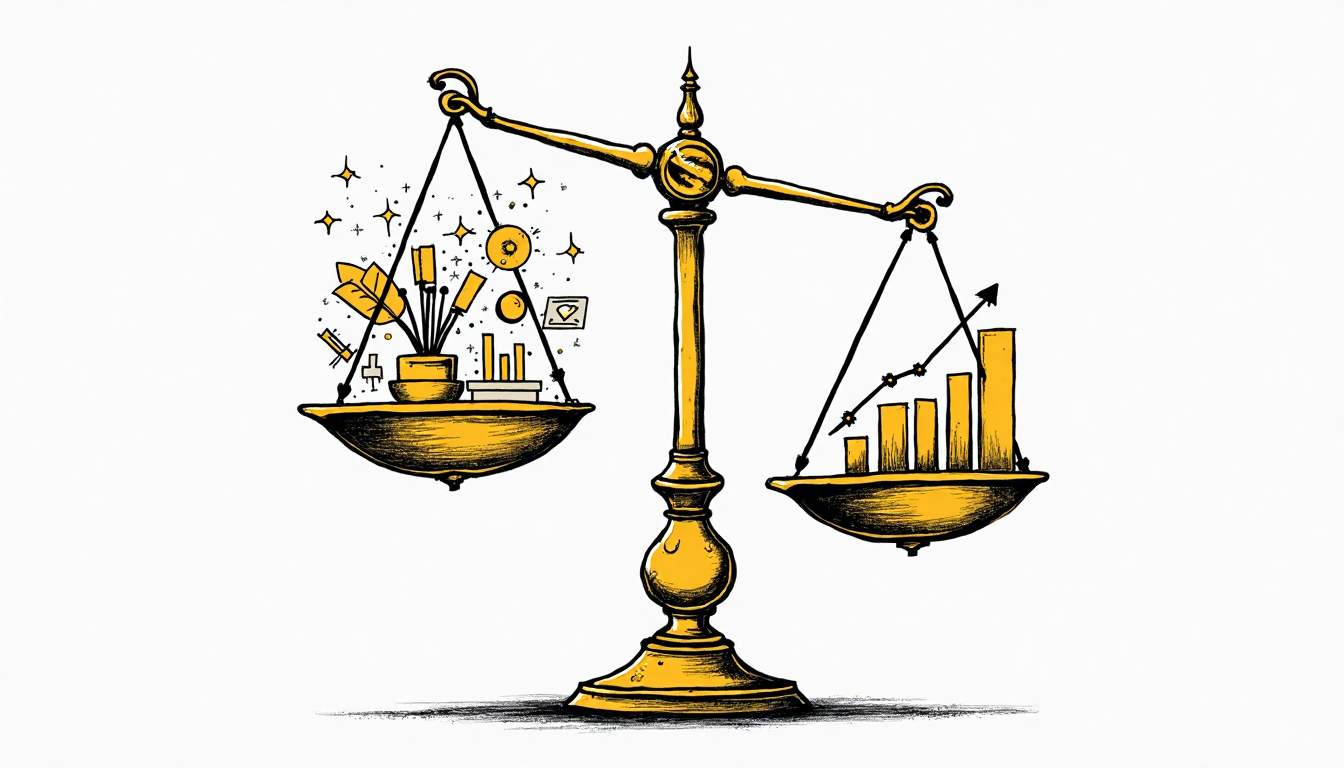
As the marketing landscape continues to evolve, the ability to adapt and innovate will be crucial for CMOs. The future belongs to those who can harmonize brand and performance marketing, creating a cohesive strategy that not only captures market share but also fosters lasting relationships with consumers. In the end, the question is not whether to choose brand or performance, but how to effectively integrate both for maximum impact.