
The global shift towards sustainable energy is one of the most significant transformations of our time. As governments, corporations, and communities pivot from fossil fuels to renewable sources, the energy sector faces not only technical and regulatory challenges but also a profound communication challenge. How can companies and organizations effectively brand themselves amid this complex, evolving landscape? This article explores the critical role of branding in the energy transition, offering insights into strategies that resonate with diverse stakeholders while conveying authenticity and purpose.
Understanding the Complexity of Energy Transition
The energy transition involves a multifaceted overhaul of how energy is produced, distributed, and consumed. It encompasses the integration of renewable energy sources such as solar, wind, and hydroelectric power, alongside innovations in energy storage, smart grids, and electric mobility. According to the International Energy Agency (IEA), renewables are expected to account for nearly 95% of the increase in global power capacity through 2026, highlighting the rapid pace of change.
However, this transition is not just a technical shift—it is a socio-economic transformation that impacts jobs, communities, and geopolitical dynamics. For example, coal-dependent regions face significant economic restructuring, while consumers must adapt to new technologies and energy behaviors. This complexity makes clear, consistent, and credible communication essential for building trust and support. The transition also necessitates a reevaluation of regulatory frameworks and policies to ensure they align with the goals of sustainability and equity. Policymakers are tasked with creating incentives that encourage investment in clean technologies while also safeguarding the livelihoods of those who may be adversely affected by the shift away from fossil fuels.
Why Branding Matters in This Context
Branding in the energy sector has traditionally focused on reliability, scale, and cost-efficiency. Today, the narrative is expanding to include sustainability, innovation, and social responsibility. Companies must articulate not only what they do but why it matters in the context of climate change and societal well-being. This shift in branding is not merely cosmetic; it reflects a deeper understanding of the values that resonate with consumers and stakeholders in an increasingly eco-conscious market.
Effective branding helps organizations differentiate themselves in a crowded market, foster stakeholder engagement, and drive behavioral change. It also plays a crucial role in managing reputational risks, especially as scrutiny over environmental, social, and governance (ESG) practices intensifies. Companies that successfully integrate their sustainability efforts into their brand identity are often seen as leaders in the sector, attracting not only customers but also investors who prioritize ethical practices. Moreover, as public awareness of climate issues grows, organizations that fail to adapt their branding strategies may find themselves facing backlash, highlighting the importance of aligning corporate values with community expectations and global challenges.
Key Challenges in Branding Energy Transition
Communicating Technical Complexity
Energy transition technologies can be difficult for the general public to understand. Concepts like grid decarbonization, battery storage capacity, or hydrogen fuel cells involve specialized knowledge. Brands face the challenge of simplifying these ideas without oversimplifying or misrepresenting the facts.
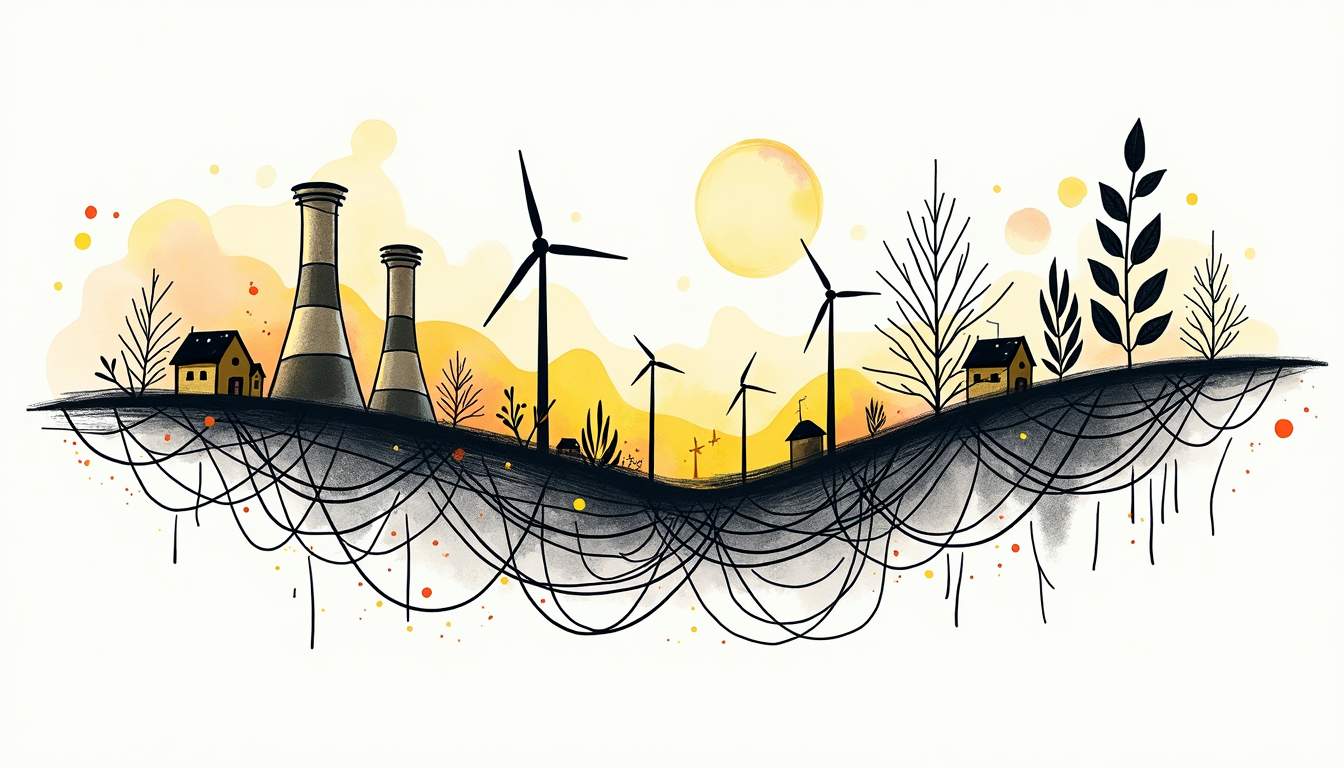
For instance, explaining how offshore wind farms contribute to energy security requires balancing technical details with relatable benefits, such as cleaner air and job creation. Visual storytelling, infographics, and interactive digital content can help bridge this gap, making the information accessible and engaging. Additionally, leveraging social media platforms allows brands to reach a broader audience, using short videos or animated graphics to illustrate complex processes in a digestible format. By fostering a two-way dialogue, companies can also encourage questions and discussions, further demystifying the technology and enhancing public understanding.
Addressing Stakeholder Diversity
The energy transition impacts a wide range of stakeholders—investors, regulators, employees, local communities, and consumers—each with different priorities and concerns. A one-size-fits-all communication strategy risks alienating key groups.
For example, investors may focus on financial returns and risk management, while communities prioritize job opportunities and environmental protection. Tailoring messages to these distinct audiences while maintaining a coherent brand identity requires nuanced strategy and empathy. Engaging with stakeholders through targeted workshops or community forums can provide valuable insights into their specific needs and concerns. Moreover, involving local leaders and influencers in the conversation can amplify the message and foster a sense of ownership among community members, ultimately leading to a more supportive environment for energy initiatives.
Overcoming Skepticism and Misinformation
Despite growing awareness of climate change, skepticism remains, fueled by misinformation and vested interests. Energy companies must navigate public doubts about the feasibility, cost, and impact of renewable technologies.
Transparent communication, backed by credible data and third-party endorsements, is vital. Brands that openly acknowledge challenges and demonstrate commitment to continuous improvement tend to build stronger trust than those that rely solely on promotional messaging. Additionally, partnering with educational institutions and non-profit organizations can help disseminate accurate information and counteract misinformation. By investing in community education programs and supporting research initiatives, companies can position themselves as trusted sources of knowledge, thereby enhancing their credibility and fostering a more informed public discourse around energy transition issues.
Strategies for Effective Branding in Energy Transition
Emphasize Purpose and Authenticity
Modern consumers and stakeholders expect brands to stand for more than profit. Purpose-driven branding that clearly articulates a company’s role in combating climate change and fostering sustainable development resonates deeply.

For example, Ørsted, a Danish energy company, successfully rebranded from a traditional fossil fuel producer to a global leader in offshore wind energy. Their transparent communication about their transition journey, including challenges and milestones, has strengthened their brand credibility and investor confidence.
Leverage Storytelling and Emotional Connection
Data and facts are essential, but stories create emotional engagement. Sharing narratives about communities benefiting from clean energy projects, employees innovating in renewable technologies, or the tangible environmental improvements achieved can humanize complex topics.
Shell’s “Make the Future” campaign, for instance, uses storytelling to showcase innovations and inspire optimism about a sustainable energy future, making the brand more relatable and forward-looking.
Utilize Digital Platforms and Interactive Content
Digital media offers unparalleled opportunities to engage audiences with dynamic content. Interactive tools like carbon footprint calculators, virtual tours of renewable facilities, and educational videos can demystify complex concepts and empower stakeholders to participate actively.
Engaging social media campaigns that encourage dialogue and feedback also help brands stay connected with evolving public sentiment and demonstrate responsiveness.
Collaborate and Build Partnerships
Energy transition is a collective effort involving governments, NGOs, academia, and industry players. Brands that collaborate with credible partners can amplify their message and enhance legitimacy.
For example, partnerships with environmental organizations for joint campaigns or with universities for research initiatives showcase commitment beyond corporate interests and foster wider community support.
Measuring Impact and Adapting Brand Strategies
Branding in the energy transition is not a one-time exercise but an ongoing process. Regularly measuring impact through metrics such as brand awareness, stakeholder trust, and engagement levels helps organizations refine their communication strategies.
Surveys, social listening tools, and feedback channels provide insights into how messages are received and where misconceptions or resistance may exist. This data-driven approach enables brands to adapt quickly and maintain relevance in a fast-changing environment.
Case Study: Enel’s Integrated Branding Approach
Enel, a multinational energy company, exemplifies effective branding in energy transition by integrating sustainability into its core identity. Their “Open Power” brand campaign highlights innovation, inclusivity, and environmental stewardship.
Enel’s transparent reporting on ESG goals and progress, combined with community engagement initiatives, has enhanced their reputation globally. This holistic approach demonstrates how aligning brand values with business strategy can drive long-term success.
Conclusion: The Future of Branding in Energy Transition
As the world accelerates towards a low-carbon future, branding will play a pivotal role in shaping perceptions, building trust, and inspiring action. Energy companies and organizations must embrace transparency, empathy, and innovation in their communication efforts to navigate the complexities of this transition.
By effectively conveying purpose, simplifying technical narratives, and engaging diverse stakeholders, brands can not only differentiate themselves but also contribute meaningfully to the global sustainability agenda. In this era of profound change, branding is more than marketing—it is a vital tool for driving the energy transition forward.