
In today’s hyper-connected world, businesses often believe that the key to explosive growth lies in assembling the perfect marketing technology (martech) stack. With countless platforms promising automation, personalization, and data-driven insights, it’s easy to assume that more technology equals better results. But beneath the surface of sleek dashboards and AI-powered tools, there’s a critical truth that many overlook: technology alone cannot create meaningful customer connections or sustainable growth.
This article explores why the martech stack is often a mirage and highlights what truly drives growth—human insight and brand intimacy. Understanding this distinction can help marketers refocus their strategies on what genuinely matters in building lasting customer relationships and driving business success.
Why Tech Alone Can’t Create Meaningful Customer Connections
Marketing technology has revolutionized how brands engage with customers. From customer relationship management (CRM) systems to programmatic advertising and advanced analytics, martech tools provide unprecedented access to data and automation. However, despite these advancements, many companies find that their investments in technology don’t translate into deeper customer loyalty or increased lifetime value.
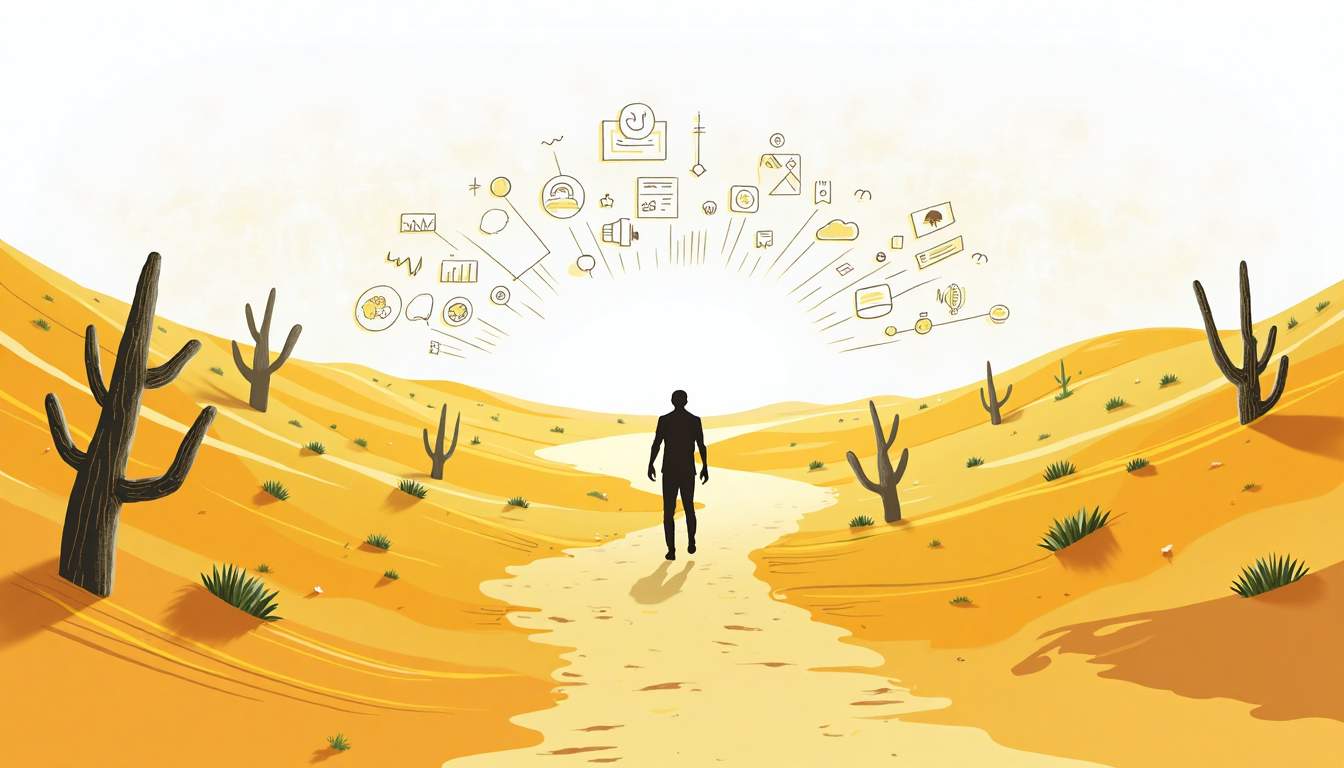
One key reason is that technology can only facilitate interactions; it cannot imbue those interactions with authenticity or emotional resonance. Customers today are savvier and more discerning—they crave genuine experiences rather than generic, algorithm-driven messaging. According to a 2023 survey by Edelman, 64% of consumers say they are more likely to buy from brands they trust, and trust is built through consistent, authentic engagement—not just targeted ads or personalized emails.
Moreover, over-reliance on technology can lead to a fragmented customer experience. When companies deploy multiple tools without a cohesive strategy, customers may receive mixed messages or feel overwhelmed by irrelevant communications. Gartner’s 2024 Marketing Technology Survey found that 58% of marketers struggle with integrating their martech stack effectively, which often results in disjointed campaigns and missed opportunities to connect on a human level.
In addition to the challenges of integration, the rapid pace of technological change can create a sense of disconnection between brands and their customers. As new tools and platforms emerge, brands may feel pressured to adopt the latest trends without fully understanding their audience’s needs or preferences. This can lead to a superficial engagement that fails to resonate on a deeper level. For instance, while social media platforms offer innovative ways to reach consumers, they can also foster a sense of distance if brands prioritize follower counts over meaningful interactions. A study by Sprout Social in 2023 highlighted that 70% of consumers want brands to engage with them in a more personal way, emphasizing the need for a balance between technology and human touch.
Furthermore, the human element in customer interactions cannot be underestimated. Personal stories, empathetic customer service, and genuine responses to feedback are all aspects that technology struggles to replicate. Brands that prioritize building relationships through storytelling and community engagement often find that these efforts yield higher customer satisfaction and loyalty. For example, companies that actively listen to customer feedback and adapt their strategies accordingly not only enhance their reputation but also create a sense of belonging among their audience. This approach fosters a two-way dialogue that technology alone cannot achieve, highlighting the importance of blending human insight with technological capabilities to forge lasting connections.
The Real Drivers Behind Growth: Human Insight and Brand Intimacy
So, if technology isn’t the silver bullet, what truly drives growth? The answer lies in human insight and brand intimacy—understanding customers deeply and fostering emotional connections that go beyond transactions.

Human insight involves more than just data analytics; it requires empathy, cultural awareness, and the ability to interpret customer behaviors in context. Brands that invest in qualitative research, such as in-depth interviews and ethnographic studies, gain a nuanced understanding of customer motivations, pain points, and aspirations. This insight enables marketers to craft messages and experiences that resonate on a personal level. Furthermore, understanding the social dynamics and cultural contexts in which customers operate allows brands to tailor their offerings in ways that feel relevant and timely, enhancing the overall customer experience.
Brand intimacy, on the other hand, refers to the emotional bonds customers form with a brand. Research from the Brand Intimacy 2023 Study by MBLM reveals that brands with high intimacy scores outperform the S&P 500 by 219% in total return to shareholders. These brands excel at creating meaningful narratives, consistent values, and personalized experiences that foster loyalty and advocacy. This emotional connection often translates into higher customer retention rates and increased lifetime value, as customers are more likely to choose brands that they feel a personal connection with over competitors, even in the face of price differences.
For example, Patagonia’s commitment to environmental sustainability is not just a marketing message—it’s a core part of their identity that resonates deeply with their audience. This authenticity builds trust and encourages customers to become brand ambassadors, driving organic growth that technology alone cannot achieve. Similarly, brands like Nike leverage storytelling to connect with their audience on a deeper level, often highlighting personal journeys and social issues that resonate with their consumers’ values and beliefs, thereby creating a community around their brand.
Integrating human insight and brand intimacy into marketing strategies doesn’t mean abandoning technology. Instead, it means using martech as an enabler rather than the driver. Technology should support human creativity and empathy, helping marketers deliver the right message at the right time without sacrificing authenticity. By utilizing tools that analyze customer sentiment and engagement patterns, brands can better understand how to adapt their strategies to meet the evolving needs of their audience.
In practice, this might involve leveraging AI to analyze qualitative data or automate routine tasks, freeing marketers to focus on strategic storytelling and relationship-building. It also means prioritizing customer feedback loops and continuously refining brand messaging to reflect evolving customer needs and values. By actively seeking out customer input and demonstrating responsiveness to their feedback, brands can enhance their intimacy and loyalty, creating a cycle of engagement that benefits both the customer and the brand.
Ultimately, the most successful growth strategies balance the power of technology with the irreplaceable value of human connection. By recognizing that martech stacks are tools—not solutions—businesses can shift their focus toward cultivating genuine relationships that drive sustainable growth. This approach not only fosters a loyal customer base but also positions brands as trusted partners in their customers’ journeys, paving the way for long-term success in an increasingly competitive marketplace.